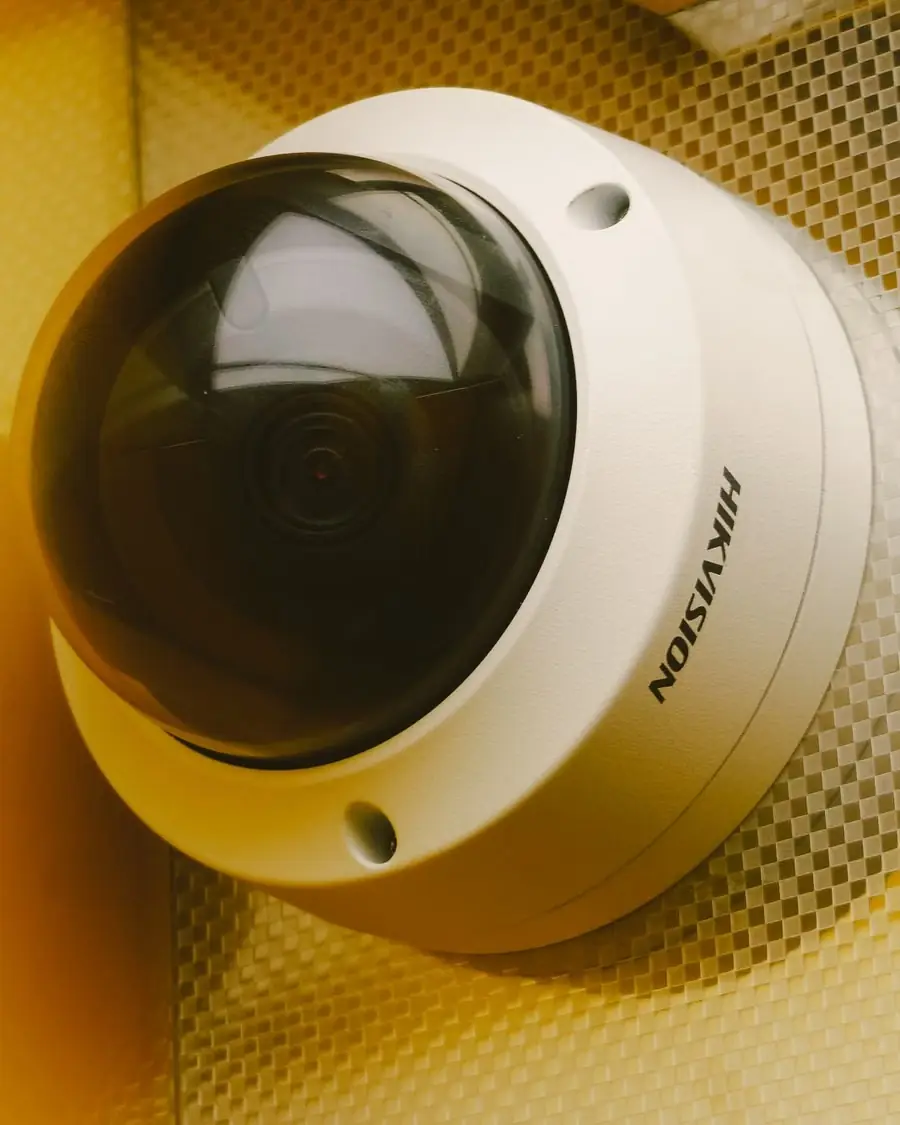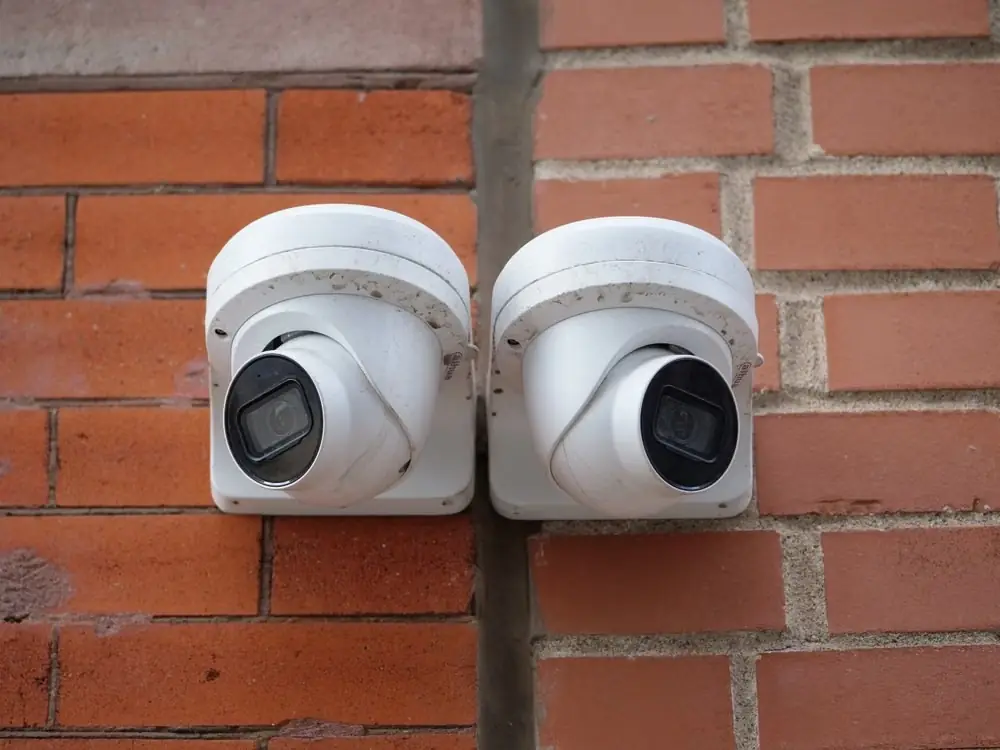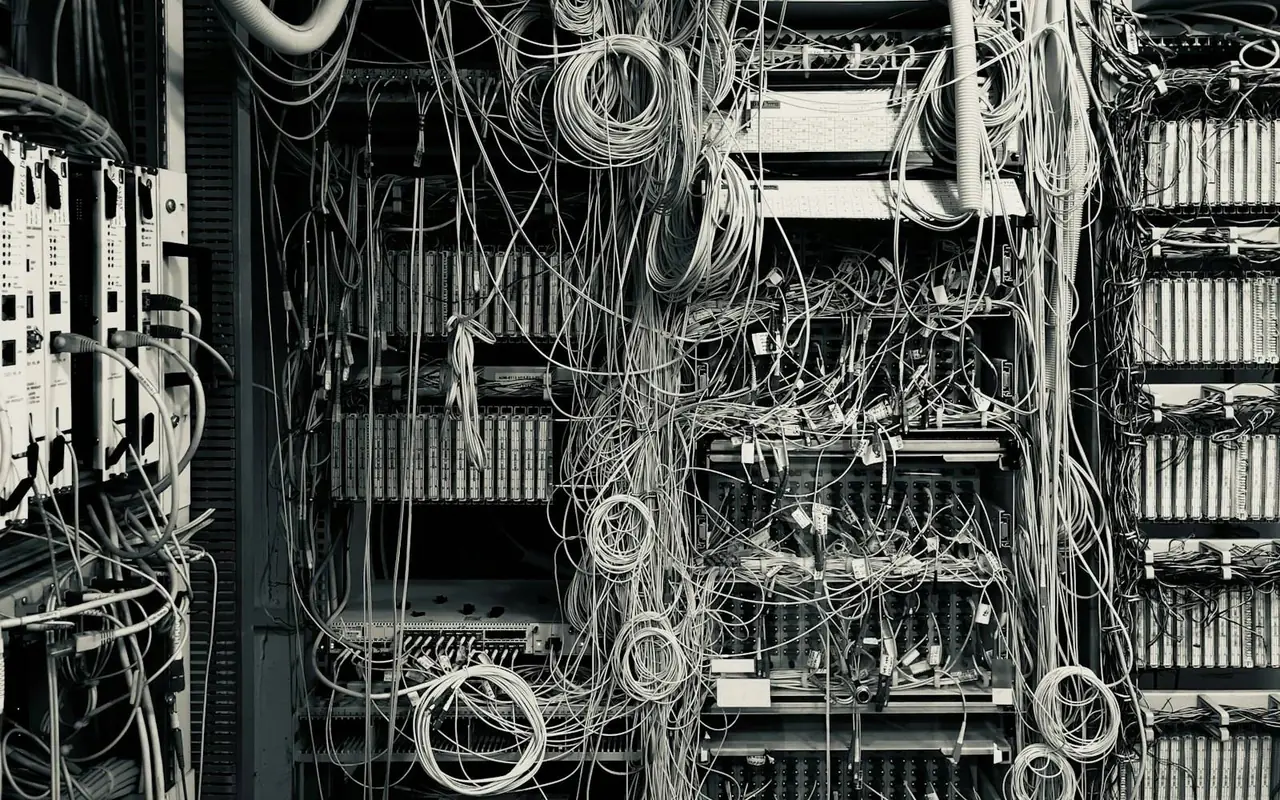
The two families differ in how video travels. Analog (HD-TVI, AHD, HD-CVI) cameras send video over coaxial cable to a DVR, which digitises and records it. IP cameras digitise video inside the camera and send it over a network cable to an NVR.
Side by side
| Analog (HD) | IP | |
|---|---|---|
| Typical cable | Coax plus power | One network cable (PoE) |
| Resolution | Up to 5-8 MP on some models | Wide range, up to 8 MP and beyond |
| Smart features | Limited | Human and vehicle detection, analytics |
| Audio | Often needs extra wiring | Often built in |
| Scaling | Limited by recorder inputs | Add cameras via the network |
| Remote viewing | Through DVR | Through NVR or camera |
| Upgrade path | Replace or adapt | Mix models easily |
Image quality
Both can produce good pictures. IP cameras offer more choice at higher resolutions and better wide dynamic range and low-light processing, which matters for glare at doors. See 4K vs 1080p.
Cabling
IP with PoE uses one cable up to about 100 metres per run, giving power and data together. Longer distances need a switch or fibre. Analog uses coax and a separate power supply. In a finished building, existing coax can save labour, which is the main reason to keep analog.
Features and security
IP unlocks smart detection, better apps and tighter integration. Because IP cameras sit on a network, they need proper passwords and updates. Read how to secure CCTV cameras against hackers. Analog systems are simpler, and an isolated DVR is harder to attack remotely.
Cost factors
IP cameras and NVRs have often cost more than analog equivalents, though the gap has narrowed. The bigger variable is installation: coax reuse saves time, while a new PoE install is simpler where no cable exists. We do not publish price lists, so see what affects CCTV cost.
Which should you choose?
- New building or full rebuild: IP.
- Existing analog system that still works: keep it if cameras are good and you only need a small refresh; upgrade key cameras first.
- Regulated business needing specific features: check the requirement; many specifications assume IP.
- Many cameras or large sites: IP scales better.
Hybrid options
Some recorders accept both analog and IP inputs, letting you replace cameras gradually. Ask for a survey: we recommend based on cable condition, not a sales target. See our CCTV service or request a quote.
Conclusion
IP is the default for new systems. Analog earns its place where good cabling already exists and the budget is tight, but plan an upgrade path.
Frequently asked questions
Can I use my old analog cables for IP cameras?
Sometimes. Adapters that carry IP over coaxial cable exist, but results depend on cable condition and length. A survey will tell you if reuse is worthwhile.
Is analog CCTV obsolete?
It still works and is still sold, but new development is concentrated on IP. For a new installation, IP is usually the better long-term choice.